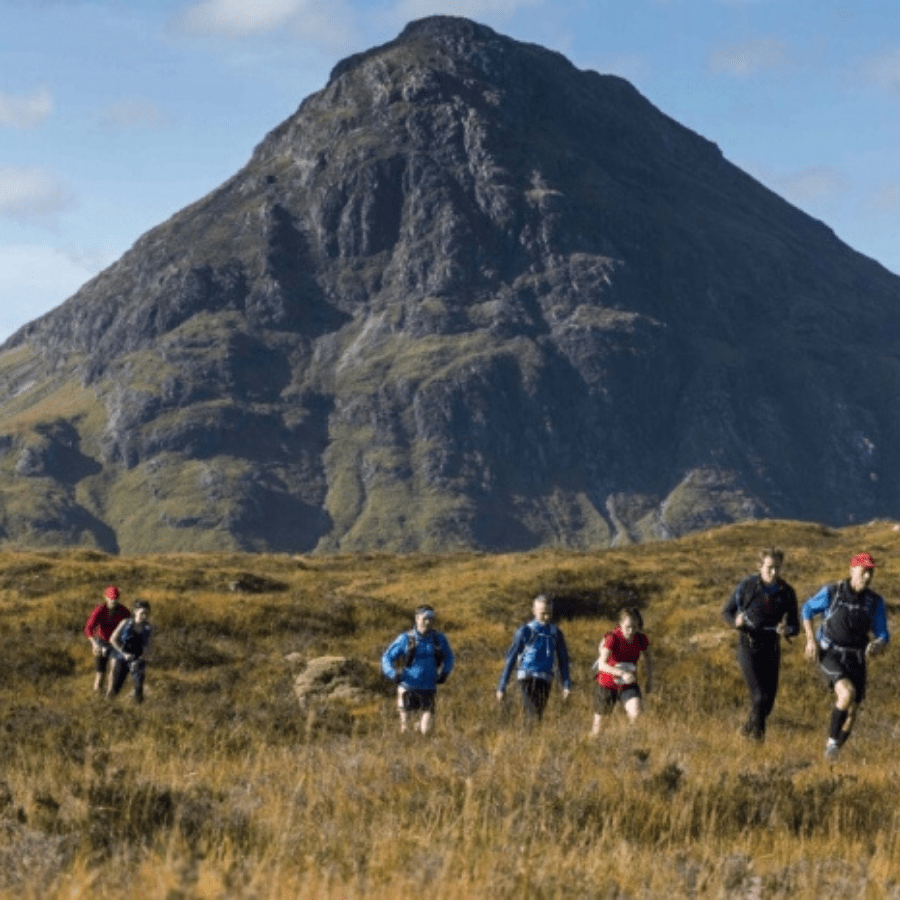

Training & Preparation

The Artemis Great Kindrochit Quadrathlon is a tough event requiring serious training and careful preparation. A 0.8 mile swim, 15 mile hill trek, 7 mile kayak followed by 34 miles on a bicycle through the Scottish Highlands requires some thought as to how you can best prepare yourself for the challenge.

Training for Swimming

  • Speak to the staff at your local pool and ask them for their advice on how best to train for this type of event.
  • You should conduct your swimming training progressively by starting off slowly and building up to be able to swim about 1500 metres or 60 lengths of a 25 metre pool prior to the event.
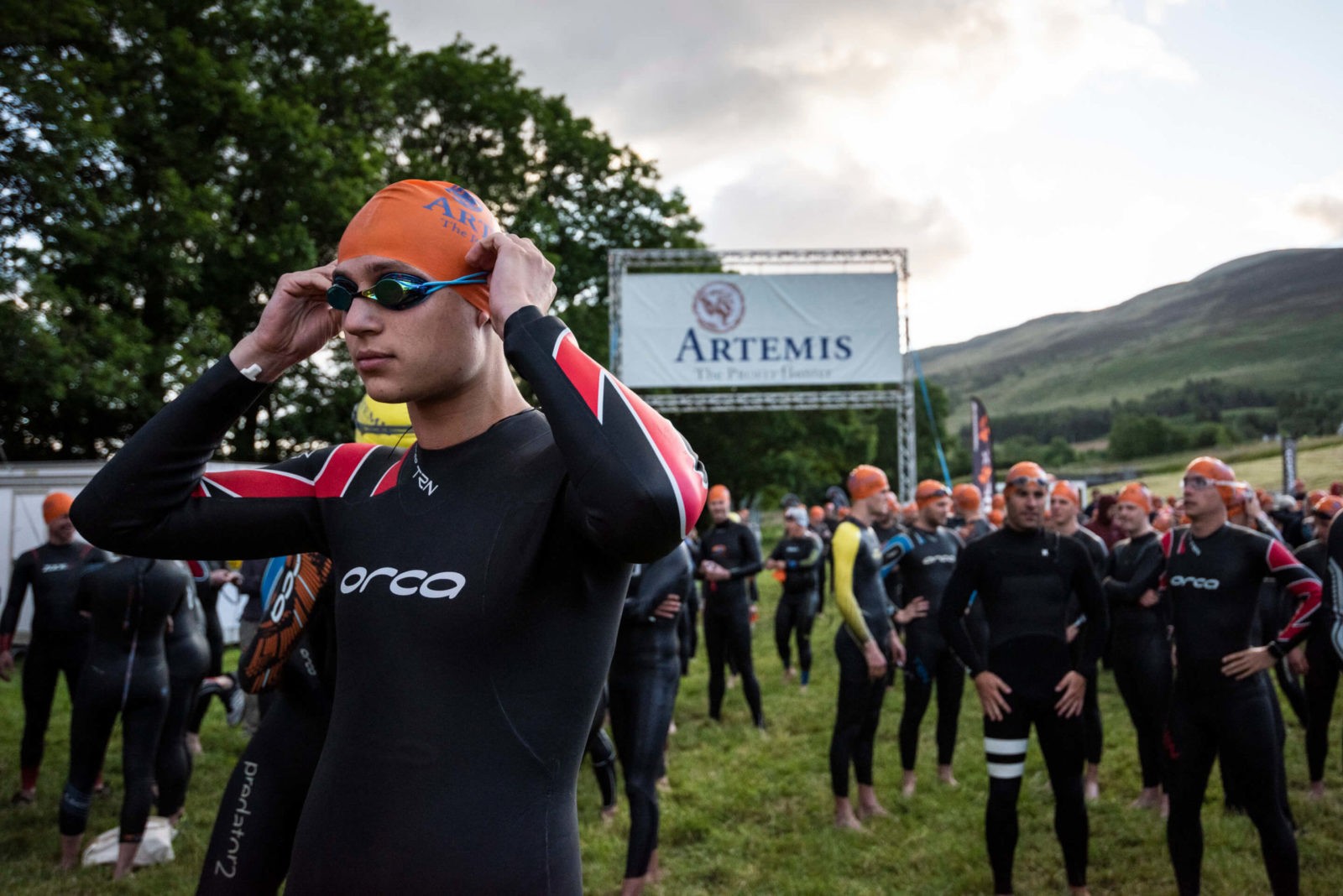
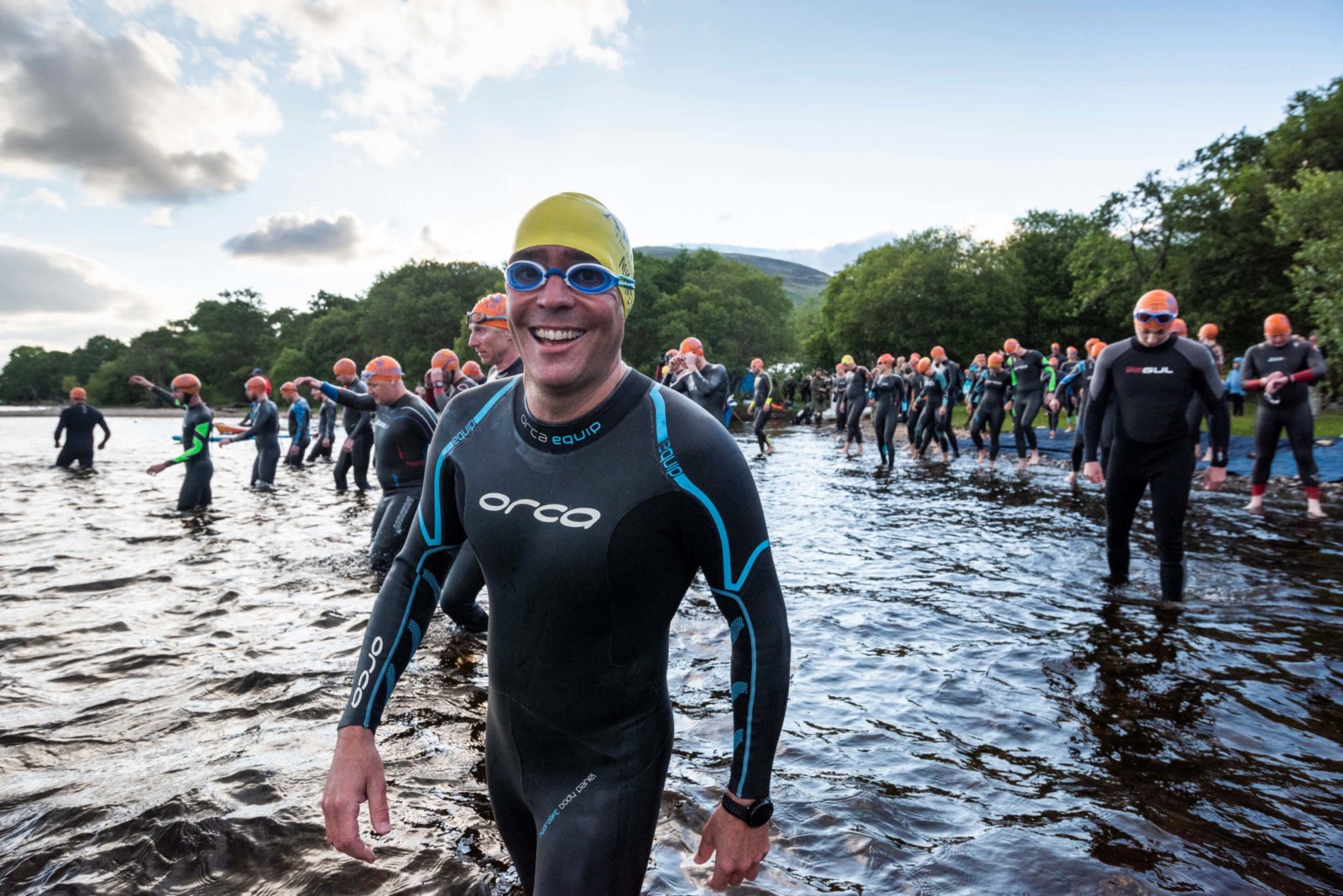
  • You should also practice swimming outdoors in the wetsuit you will be using during the event if possible.Outdoor swimming in cold water is a very different experience to the pool!

Training for Walking

  • Get into the habit of walking everywhere. Walk to work and back home again if you can. If necessary, join a gym and ask the instructor to put you on a training plan.
  • Take part in other sports like tennis, squash, jogging etc to build up your cardiovascular system.
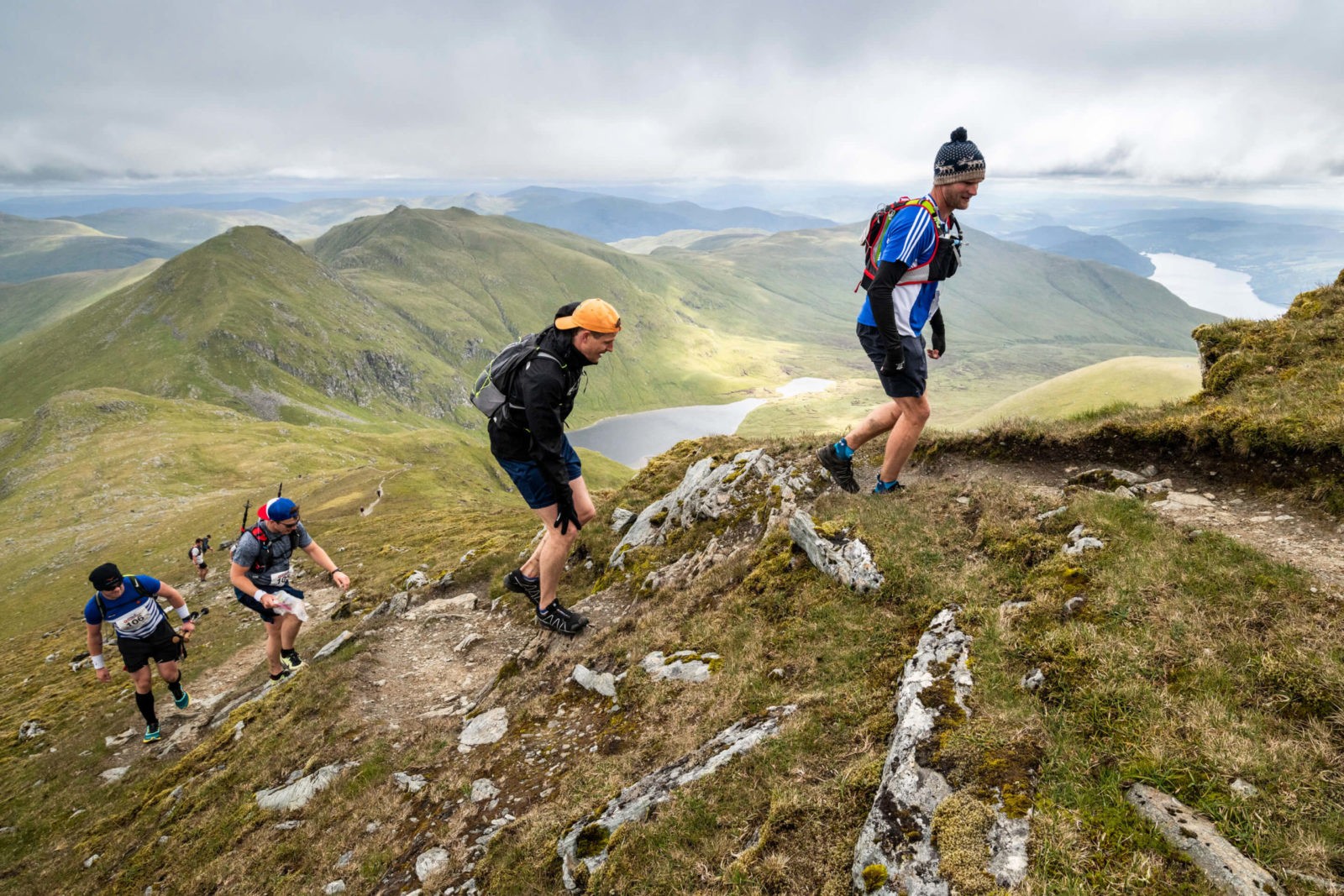
  • At weekends, aim to go for long walks incorporating hills, starting off with a 3 mile walk followed by a 10 mile and finally a 15 mile walk over a period of three to four months. Walk with other people as much as possible so that you can support and encourage each other. Explore a different part of the country and stretch yourself further each time.
  • Get into the habit of stretching once you have warmed up, after say 10 minutes of walking, during the walk and after the walk. Stretching will reduce your likelihood of injury and muscle/ tendon strains. Do not stretch cold muscles.

Training for Kayaking

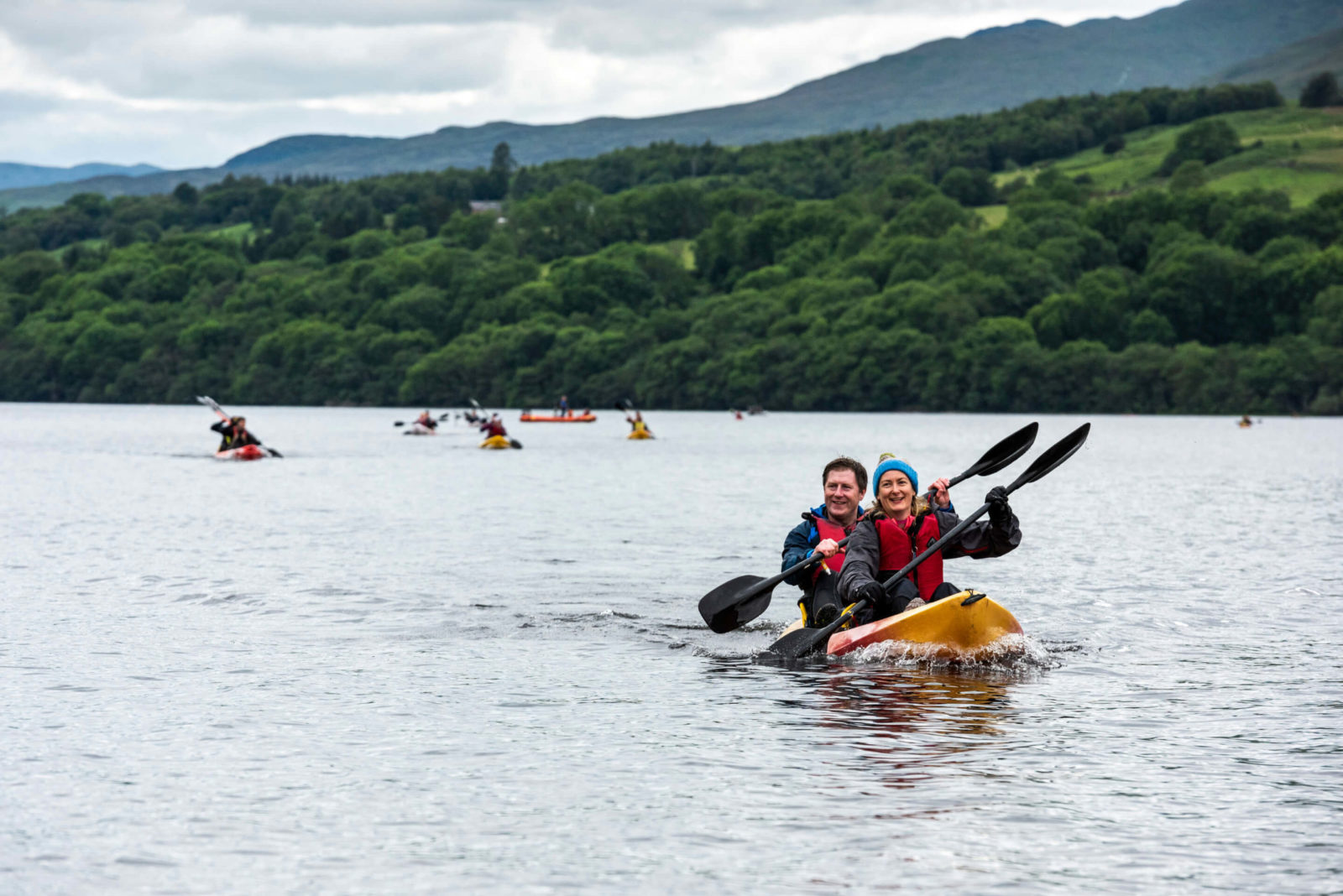
  • As far as training for kayaking is concerned, the best thing is to train in a kayak but this will not be possible in many people's cases. Swimming training should be sufficient to complete the course but doing some high repetition upper body resistance training and some time on the rowing machine in the gym will stand you in good stead.

Training for Cycling

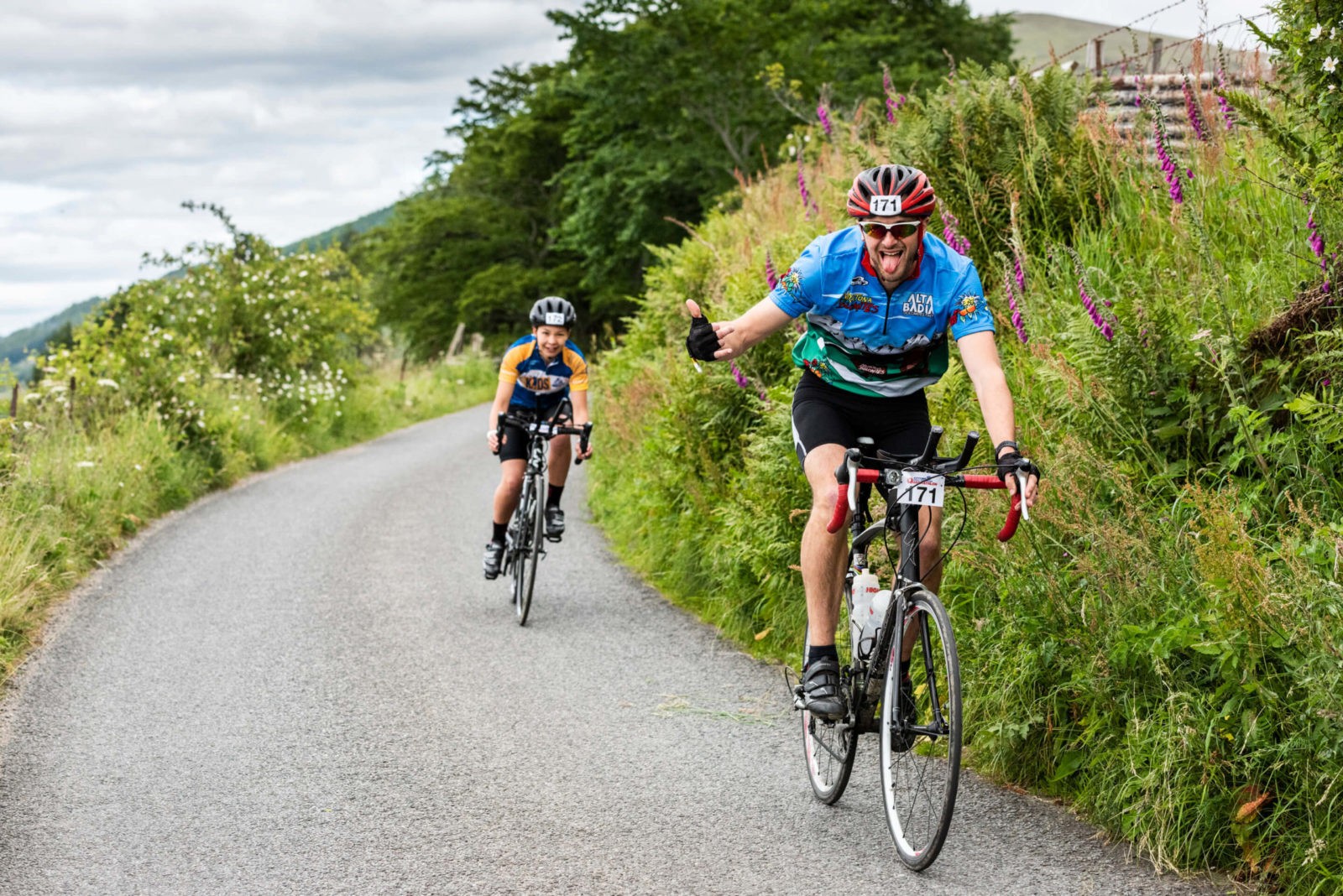
  • Try to cycle as much as possible before the event.
  • Use cycle machines and stair-masters at the gym.
  • Become familiar with your bicycle, ensuring that the seat is comfortable and is set at the correct height.
  • Wear cycle shorts as this will reduce rubbing and chaffing.
  • Ensure your helmet fits and is comfortable. Helmets are compulsory.
  • We recommend you put in a few 20-30 mile training sessions mixed in with some walking beforehand.

Top Tips

  • Feet - toughen your feet by walking as much as possible. Trim toenails and use foot powder. Tape your feet with Zinc Oxide (Army type recommended) before you start, to protect areas prone to blisters. Walk about at home in bare feet as much as possible.
  • Socks - Smart wool socks are recommended. Change your socks regularly. It is important to keep your feet as dry as possible.
  • Walking boots - or fell running shoes with good grip.
  • Boots - Light Goretex type boots are fine. Make sure they fit, allow for foot expansion and ensure they are well broken in.
  • Rubbing - Wear lycra cycle shorts and use Vaseline to prevent chaffing.
  • Stretching - Warm up before stretching and stretch both during and after walking. Remember to stretch down after the event.
  • Hydration - Drink regularly. We recommend at least 2-3 litres of water. Use the Camelback/ Platypus water container. Mix energy drinks with water. Drink plenty of tea, soup, water and eat plenty of fruit.
  • Dehydration symptoms - beware of symptoms: thirst, not going to the loo, dark coloured urine and minor headaches.
  • Blisters - If you feel a potential blister forming, stop and deal with it there and then. Puncture the blister with a pinprick, drain and apply compeed or similar dressing. Zinc Oxide Tape, if properly applied, will prevent most blisters forming in the first place.
  • Temperature - Maintain a constant body temperature and prevent your body from overheating by continuously adjusting your clothing. Zip tops make this easier. If you feel cold put your hat on.
  • Check points - Keep stops at checkpoints to a maximum of 20 minutes or your muscles will begin to seize-up.
REGISTER NOW

You'll need to pre-register for the event, which you can do online or by printing and completing the registration form and returning it with your team's entry fee (the address is on the form)